
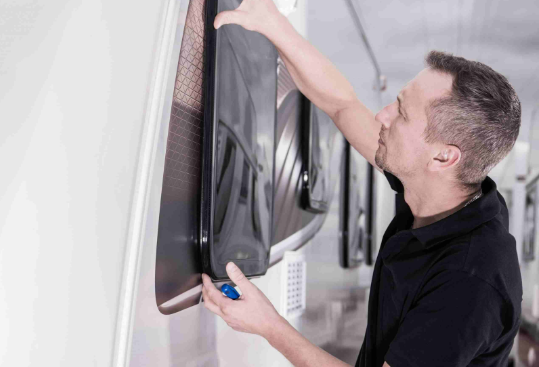
Recreational vehicles (RVs) provide unparalleled freedom, allowing owners to explore the open road while enjoying the comforts of home. However, ensuring the safety and clarity of your RV’s glass components is critical to a smooth and secure travel experience. Over time, exposure to the elements and normal wear can take a toll on RV windows and windshields. A focus on professional RV glass services can prevent accidents, improve visibility, and maintain the aesthetic appeal of your vehicle.
This comprehensive guide will explore the importance of RV glass services, the different types of glass used, and how to maintain and repair your RV’s glass for optimal performance.
The Importance of RV Glass Services
When navigating highways or remote roads, the condition of your RV’s glass can directly affect your safety and driving comfort. Unlike typical automobiles, RVs have larger windshields and windows, making them more susceptible to damage from debris, weather changes, and stress fractures. Cracks, chips, and foggy windows can impair visibility, putting drivers and passengers at risk.
Professional rv glass services ensure that any damage is addressed promptly and efficiently. From minor repairs to full window replacements, specialists understand the nuances of RV glass, which differs from standard automobile glass in both size and complexity. Proper maintenance also helps extend the lifespan of the vehicle, ensuring that its value and performance remain intact.
Types of RV Glass
There are various types of glass used in RVs, each serving a specific purpose. Knowing the difference between these types can help you make informed decisions when it comes to repairs or replacements.
Tempered Glass
Tempered glass is a common material used in side windows and doors of RVs. It is specially treated to be stronger than standard glass, which makes it resistant to impact. When broken, tempered glass shatters into small, harmless pieces, reducing the risk of injury. Due to its strength, tempered glass is ideal for areas where durability and safety are paramount.
Laminated Glass
Laminated glass, often found in windshields, consists of two layers of glass with a plastic layer in between. This construction provides additional protection as it holds together even when cracked or shattered. The inner plastic layer helps prevent the glass from shattering completely, preserving visibility and reducing the likelihood of accidents during emergencies.
Acrylic and Polycarbonate Windows
In some cases, RVs may use acrylic or polycarbonate materials for certain windows. These materials are lightweight, shatter-resistant, and offer better insulation compared to traditional glass. However, they can scratch more easily and may require specific care to maintain clarity and durability.
Common RV Glass Issues
Given the size and exposure of RV glass, there are several common issues that RV owners may encounter over time. Addressing these problems promptly is key to preventing more significant damage.
Cracks and Chips
Cracks and chips often occur due to road debris, extreme temperatures, or even stress from the RV’s movement. While small chips may seem insignificant, they can quickly spread and compromise the structural integrity of the windshield or window. Immediate repair can prevent the need for a full replacement.
Foggy Windows
Fogging in RV windows occurs when moisture becomes trapped between layers of glass. This is more common in older or poorly sealed windows. Foggy windows not only obscure visibility but can also indicate potential issues with window seals. Professional RV glass services can either repair or replace fogged windows to restore clarity.
Scratches and Deterioration
Acrylic and polycarbonate windows are prone to scratching, especially if they aren’t cleaned properly. Over time, regular wear and tear can cause the glass to appear dull and reduce visibility. Specialized polishing and scratch repair services can restore these windows to their original state without requiring a full replacement.
When to Repair vs. Replace RV Glass
The decision to repair or replace your RV glass depends on the extent of the damage. For small chips and cracks, repair is often the most cost-effective solution. Modern techniques allow professionals to fill in cracks and restore the glass’s strength without the need for replacement. However, if the crack has spread, particularly across the driver’s line of vision, or if the damage affects the window’s structural integrity, replacement is the safest option.
In cases of fogging, it’s important to assess whether resealing the window is possible or if the entire pane needs to be replaced to avoid future moisture issues.
Preventative Maintenance Tips for RV Glass
While professional services are essential for handling major issues, there are steps you can take to maintain the integrity of your RV glass and prevent damage.
- Regular Cleaning: Use non-abrasive cleaning solutions and soft cloths to clean RV windows. Avoid harsh chemicals that could damage seals or scratch the glass.
- Inspect Seals: Check the seals around your windows regularly for signs of wear or cracks. Proper sealing prevents moisture buildup and improves insulation.
- Drive Cautiously: Be mindful of road debris and avoid following large trucks too closely, as they can kick up rocks that could chip or crack your windshield.
- Cover Your RV: If your RV is stored outdoors, consider using a cover to protect the windows from weather-related damage.
Conclusion
Ensuring the safety and clarity of your RV’s glass is critical for an enjoyable and secure journey. By investing in professional RV glass services, you can address issues before they escalate, maintain visibility, and extend the lifespan of your vehicle’s windows and windshields. Whether it’s repairing a small chip or replacing an entire window, staying proactive about RV glass care ensures that you’ll always have a clear view of the road ahead.
